LEONCAVALLO Ruggero

(1857-1919)

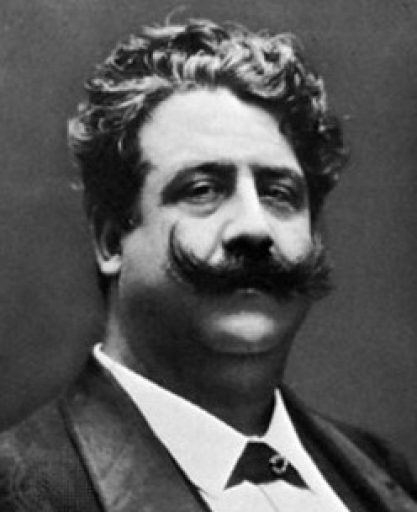
Leoncavallo, whose father was a magistrate and whose mother was a painter, showed great musical talent from an early age, obtaining the diploma of the Real Collegio of San Pietro at Majella, Naples, at the age of only eighteen. He then moved to Bologna, at that time the city which was most open to musical and theatrical experiences, and was able to follow the university lessons of Giosuè Carducci and to meet Giovanni Pascoli and other future men of letters. Frequenting this circle provided him with a solid literary preparation which permitted him later to write the librettos for his own operas.

He subsequently went to Egypt and to Paris where he lived a “Bohemian” existence, giving piano lessons, writing songs, such as the famous Mattinata, and playing in the “café concerts” in the evening. In conclusion he moved to Milan. While he was waiting for the publisher Ricordi to keep his promise to bring out his opera set in the Renaissance, I Medici, in 1892 Leoncavallo understood the possibilities of the new dramatic style and, in the wake of the success of Cavalleria rusticana, wrote Pagliacci at a single stroke. This was performed at the Teatro del Verme of Milan under the direction of Toscanini. The inspiration for Pagliacci came from a criminal episode he had witnessed as a child.

Pagliacci and most of the other operas of Leoncavallo, almost all published by Sonzogno, enjoyed from the beginning a vast worldwide popularity.
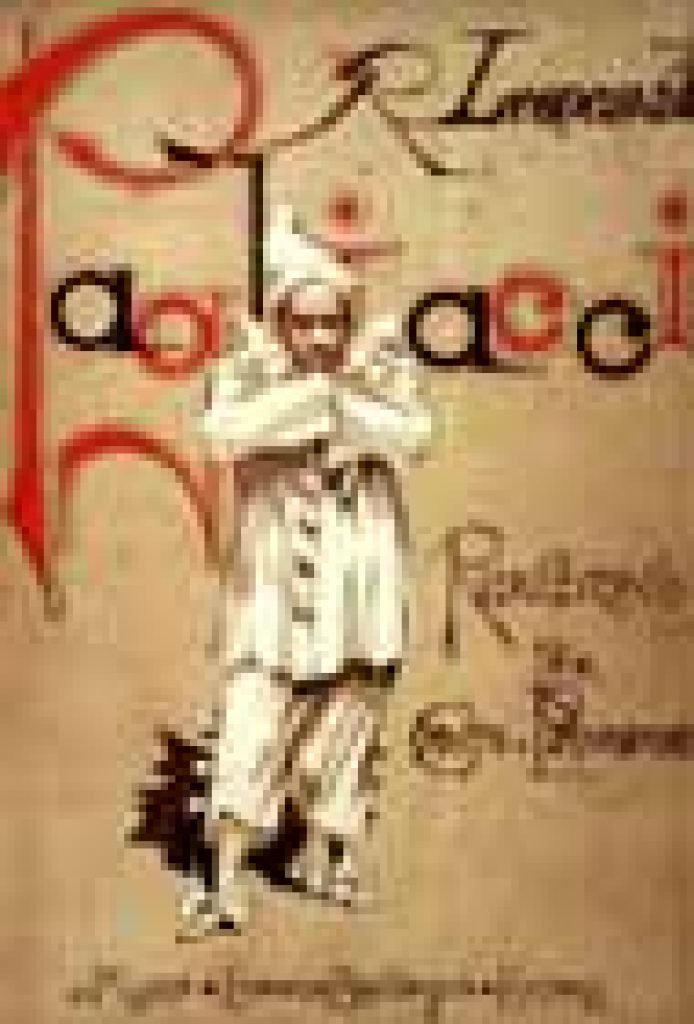
The first edition of the score of Pagliacci (1892)
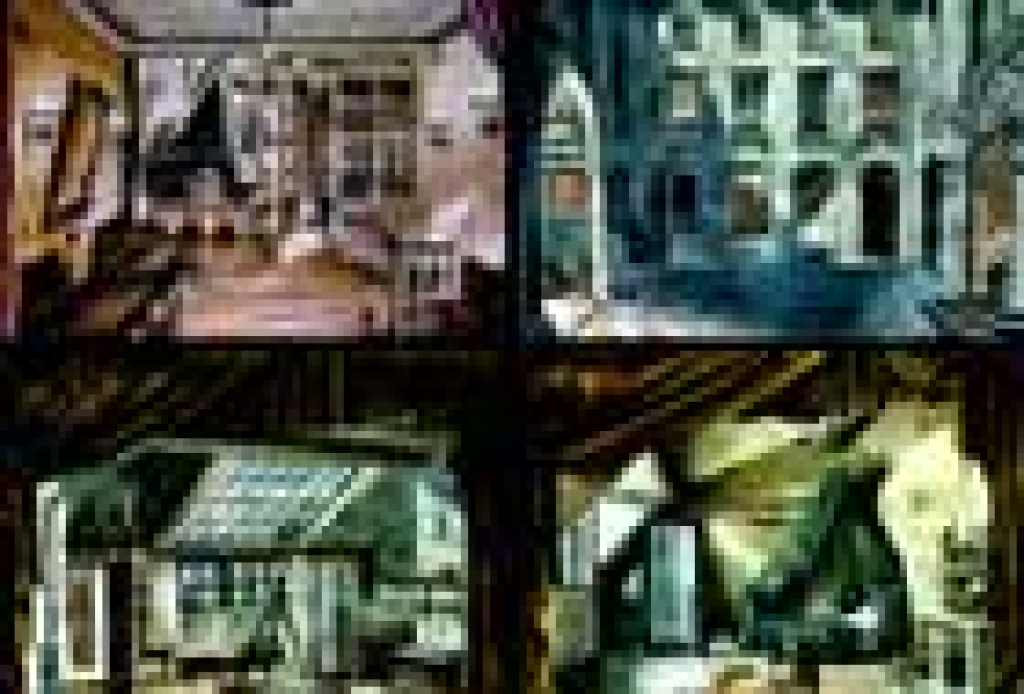
Sketches for the first production of La Bohème by Leoncavallo (1897, Teatro La Fenice, Venice)
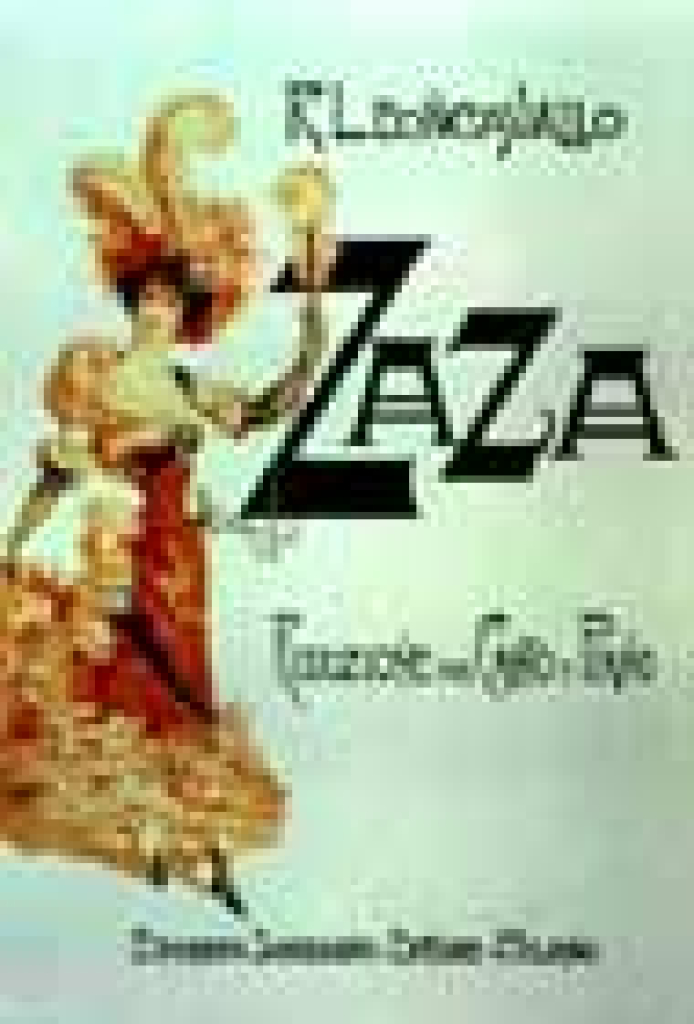
The first edition of the score of Zazà (1900)
Enrico Caruso in the role of Canio, the role he preferred to all others and which he performed hundreds of times
Placido Domingo in the role of Canio. The great Spanish tenor has performed Cavalleria rusticana and Pagliacci in the same evening more than forty times: a record!

Works


Aprile per voce e orchestra da camera
Symphonic
00:01:30
Ave Maria per voce, arpa o pianoforte e archi
Symphonic
00:04:00
L'Andalouse per tenore e orchestra da camera
Symphonic
00:02:00
La Boheme
Operas
02:00:00
La Chanson des yeux per voce e orchestra da camera
Symphonic
00:03:00
La nuit de mai per tenore e grande orchestra
Symphonic
00:43:00
Mattinata per tenore e orchestra
Symphonic
00:03:00
Mattinata per tenore e orchestra d'archi
String
00:03:00
Pagliacci
Operas
01:20:00
Pagliacci, "No, pagliaccio non son"
Symphonic
00:03:00
Pagliacci, arioso di Canio
Symphonic
00:03:00
Pagliacci, ballata di Nedda
Symphonic
00:05:00
Pagliacci, coro delle campane
Symphonic
00:03:00
Pagliacci, duetto Nedda-Silvio
Symphonic
00:10:00
Pagliacci, intermezzo
Symphonic
00:03:00
Pagliacci, prologo
Symphonic
00:05:00
Pagliacci, serenata di Arlecchino
Symphonic
00:02:00
Serenade franaise per voce e archi
String
00:03:00
Serenade napolitaine per tenore, flauto ad lib. e archi
String
00:04:00
Vieni, amor mio!... per voce e orchestra d'archi
String
00:02:30
Vieni, amor mio!... per voce e orchestra da camera
Symphonic
00:02:30
Vuoi tu? per voce e orchestra d'archi
String
00:02:30
Vuoi tu? per voce e orchestra da camera
Symphonic
00:02:30
Zaz
Operas
02:04:00
Zaz
Operas
01:26:00