Edoardo Sonzogno

Edoardo Sonzogno

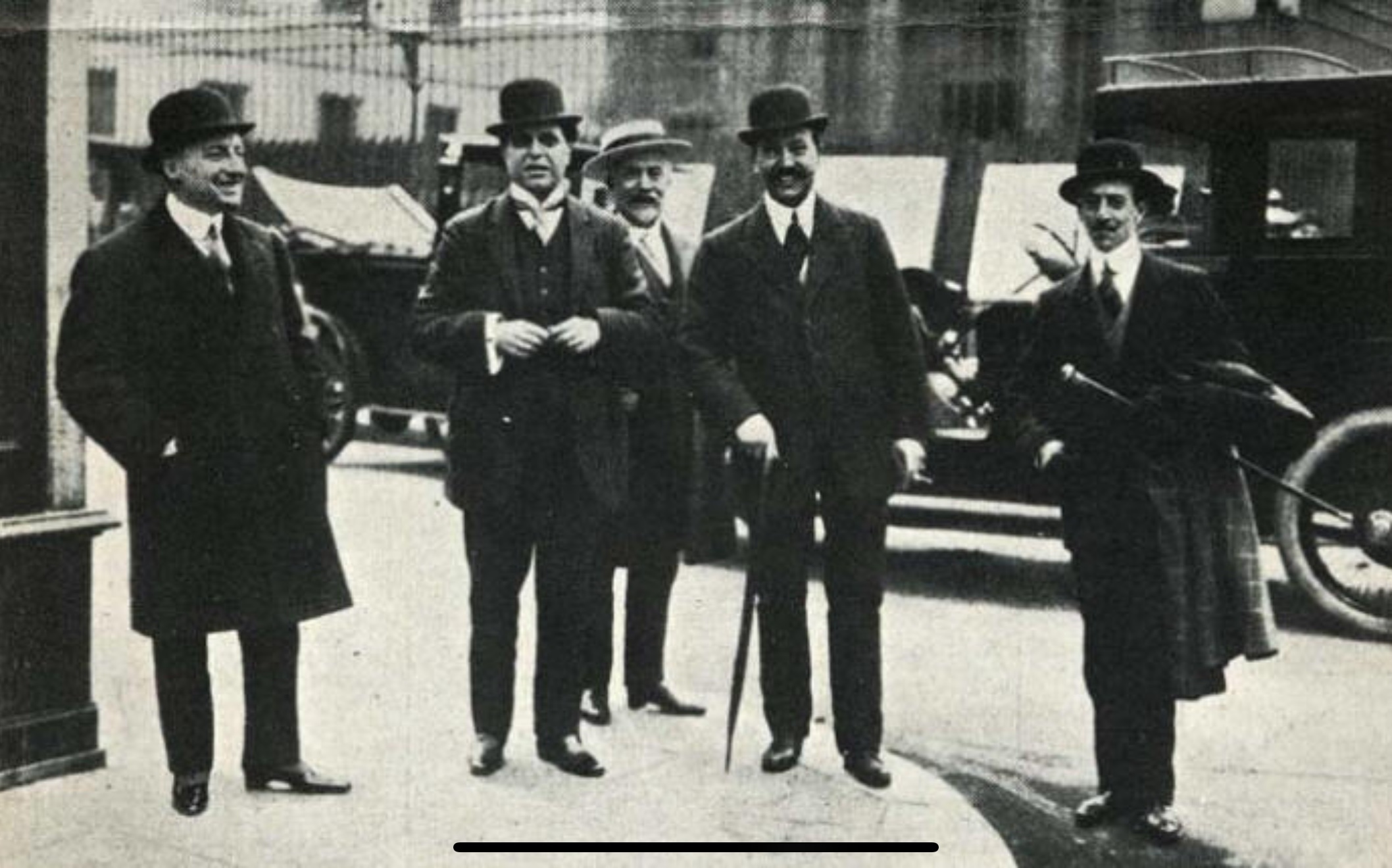
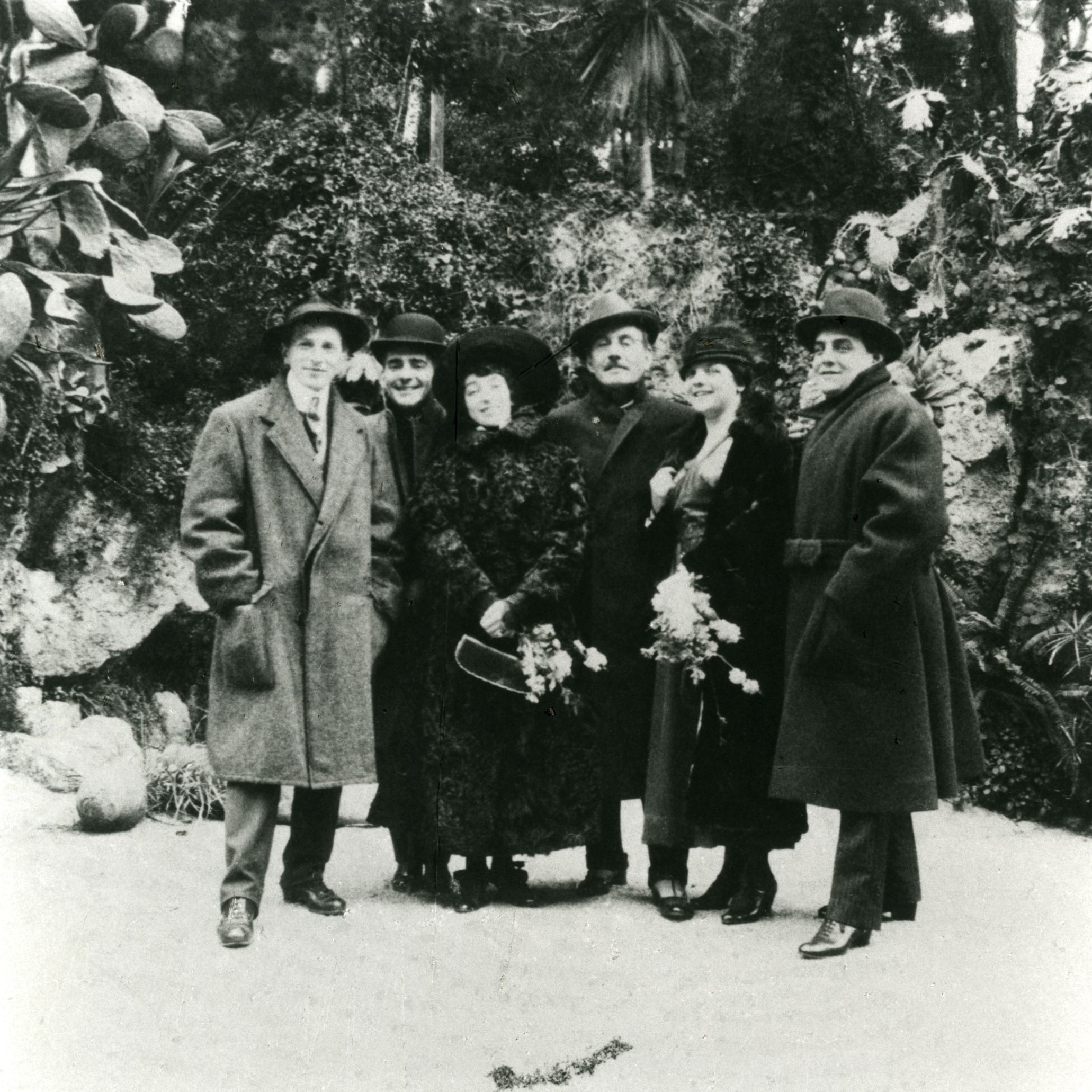
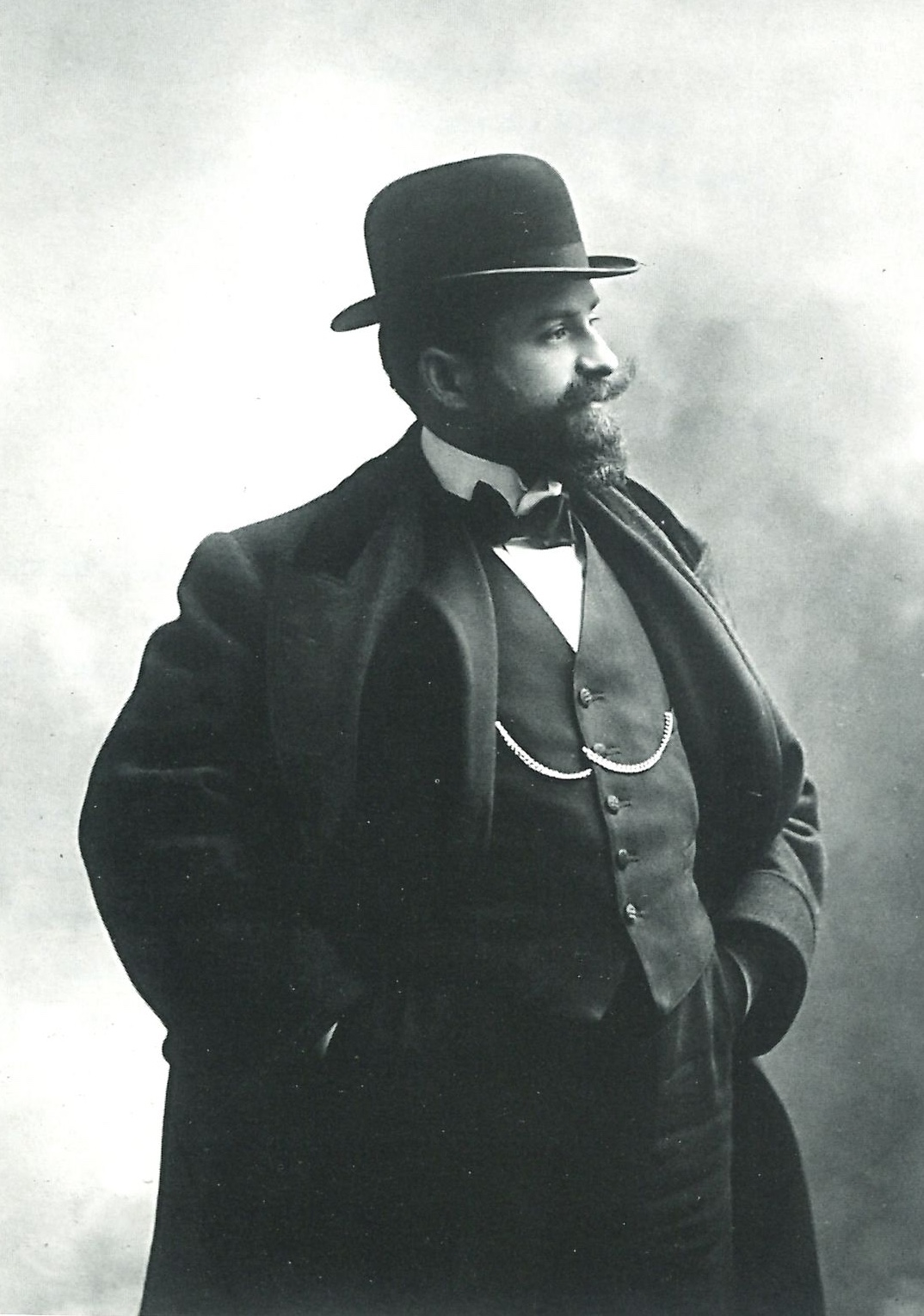
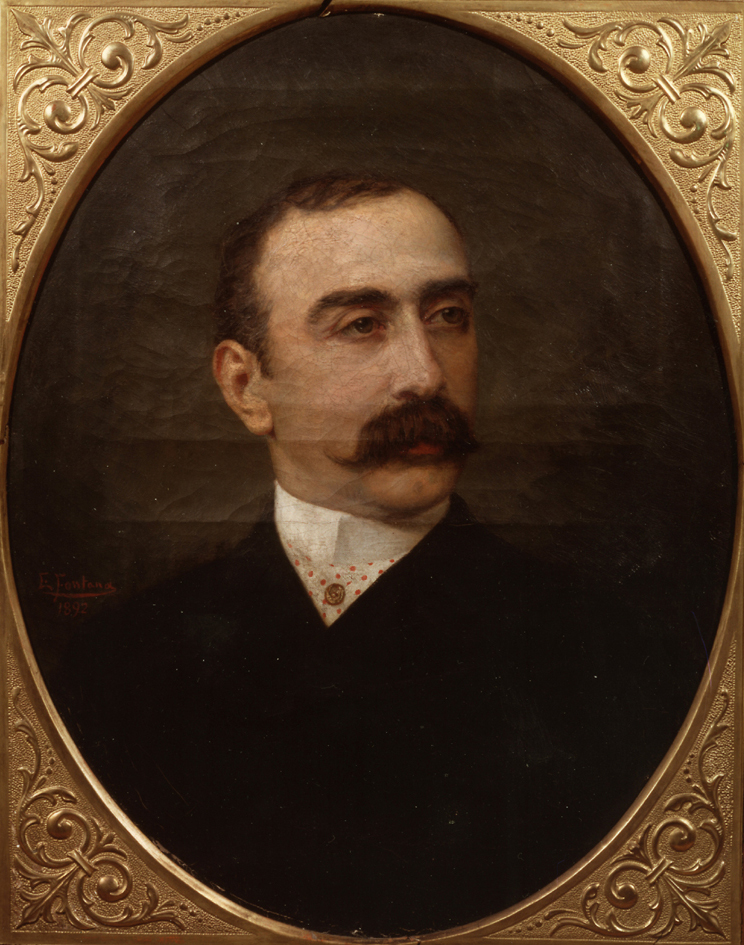
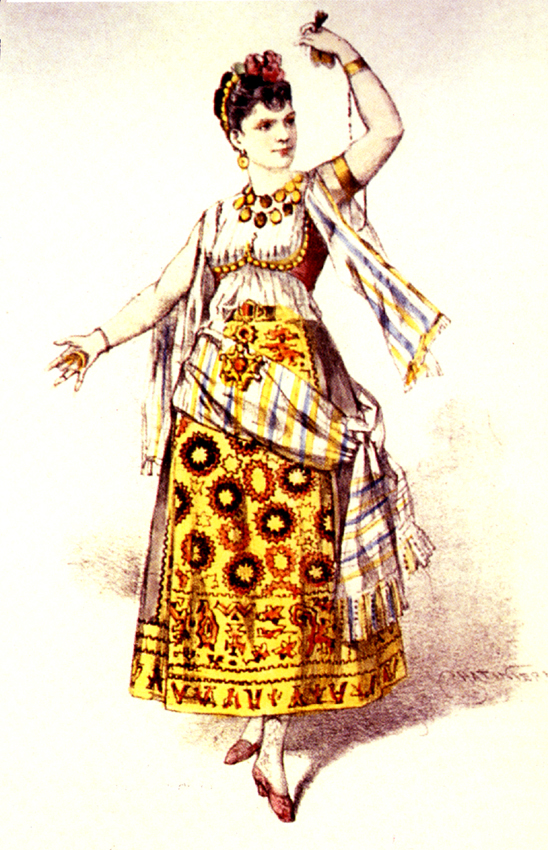
Casa Sonzogno was founded in 1874 as the music division of the publishing house of the same name, which had been established in 1804 by Giovanni Battista Sonzogno. His nephew Edoardo Sonzogno was a key figure in Italian musical life during the last two decades of the 19th century, both as a publisher of some of the most famous opera composers of the time, as a producer in Italy and abroad, and through the musical magazines “Il Teatro illustrato” and “La Musica popolare“. At first, Edoardo Sonzogno printed popular-priced scores of famous works and acquired the Italian language rights to numerous French titles, achieving his first international success with Carmen by Georges Bizet, which gained worldwide fame through the edition he published, only later reaching recognition in its original French version. Thus wrote Friedrich Nietzsche to a friend after a performance of Carmen in Nice in December 1887: “Carmen at the Gran Teatro Italiano: for me a true event. During these four hours, I understood more things than I usually do in four weeks. Honor to Mr. Sonzogno!” In 1882, Edoardo Sonzogno was among the founders of the S.I.A.E. – Italian Society of Authors and Publishers, and Casa Musicale Sonzogno is the only publishing house still active that has been part of it since its inception. To build an Italian repertoire and discover new talent, starting in 1883 he launched a series of opera competitions. Giacomo Puccini took part in the first with Le Villi, but the judging committee was unable to evaluate the score due to the nearly illegible handwriting of the composer from Lucca—or perhaps, according to another more widely accepted version, part of the jury pretended to ignore the value of the work, influenced by the powerful rival Ricordi, to prevent Puccini from joining the “Sonzogno stable.” The winner of the second competition (1888) was Pietro Mascagni with Cavalleria rusticana. The explosive worldwide success of this opera marked the beginning of the era of Verismo and the “Young Italian School,” of which Sonzogno was the most active promoter. He commissioned, published, and staged—also abroad—numerous works by other composers destined for great success, such as Ruggero Leoncavallo (Pagliacci, Zazà, etc.), Umberto Giordano (Andrea Chénier, Fedora, etc.), and Francesco Cilea (Adriana Lecouvreur, L’Arlesiana, etc.). The collaboration with Pietro Mascagni continued with the publication of L’amico Fritz, Lodoletta, Il piccolo Marat, and many other titles. In 1894, Edoardo Sonzogno rebuilt in Milan the old piermarinian Cannobiana theatre, renaming it the Teatro Lirico Internazionale, so that his productions could serve as an alternative to those of the Teatro alla Scala, Ricordi’s stronghold. At the Lirico, he staged memorable seasons, launching singers who later became legendary, such as Enrico Caruso.

Riccardo e Lorenzo Sonzogno

In 1909, Edoardo, unmarried and without children, handed over the management to his nephews Riccardo (18711915) and Lorenzo Sonzogno (18771920), who expanded the catalog with new titles, including Fedra by Ildebrando Pizzetti, with a libretto by Gabriele D’Annunzio, La rondine and the Hymn to Rome by Giacomo Puccini. Lorenzo Sonzogno also founded Musical Film, a pioneering film production company in the field of opera films. Among its productions was the epic Excelsior, directed in 1913 by Luca Comerio, featuring all the most spectacular scenes from the ballet of the same name by Luigi Manzotti and Romualdo Marenco, a show that symbolized the new century. In addition to a large number of mimes, dancers, and extras, an entire circus was hired, complete with twenty-six lions.

Piero Ostali Sr.

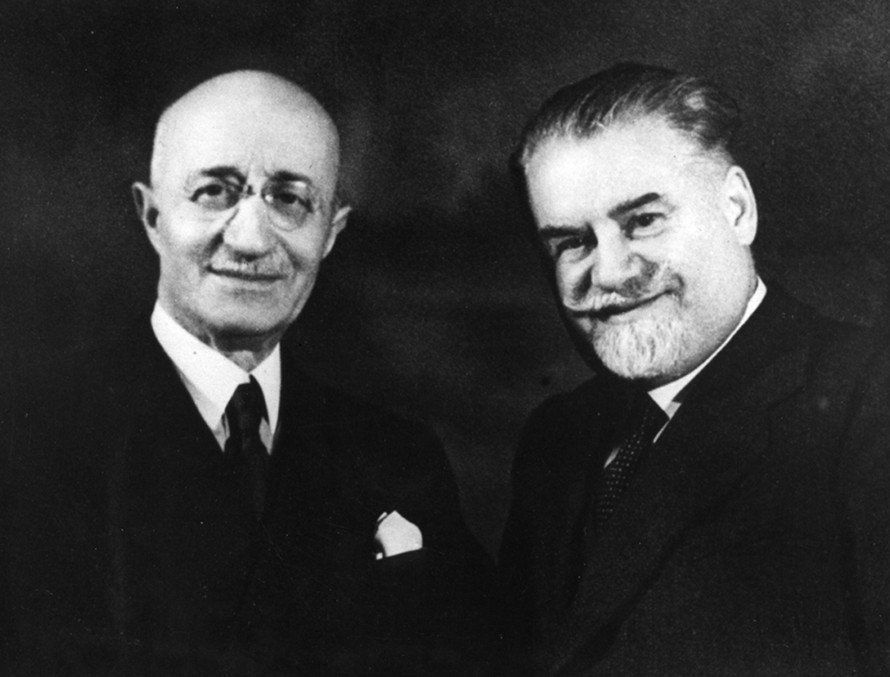
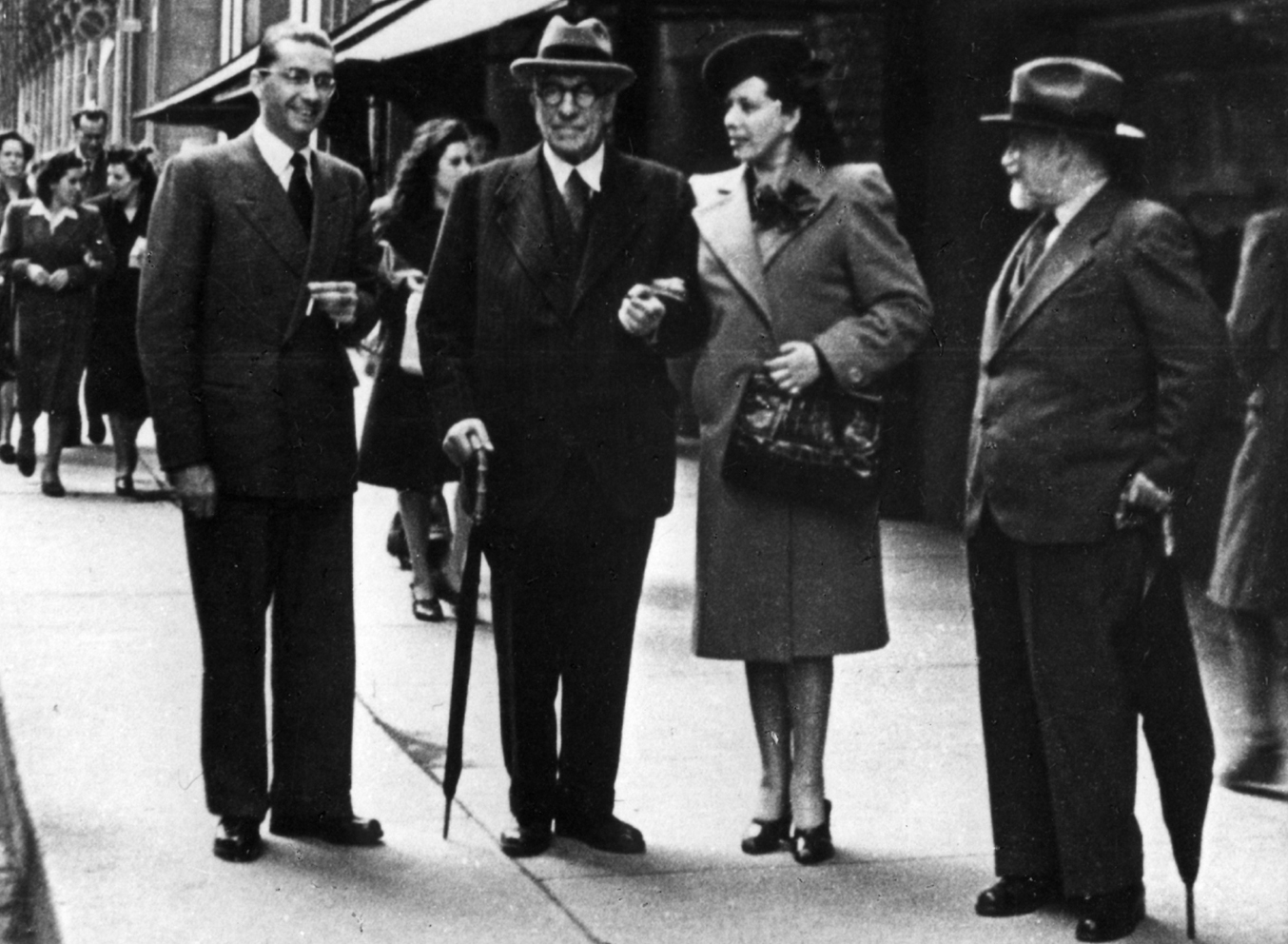
After the premature passing of the last members of the Sonzogno family, the music publishing house went through a period of crisis until industrialist Piero Ostali Sr. (18771961), who was also a musician and composer, took over in 1923 and restored it to its former glory. He revived unjustly forgotten composers, such as Francesco Cilea, and published new works by Umberto Giordano (La cena delle beffe and Il re, both conducted by Arturo Toscanini at the Teatro alla Scala), Ermanno Wolf-Ferrari (Sly, starring Aureliano Pertile at the Teatro alla Scala, La vedova scaltra, the Violin Concerto and the Symphonia brevis), Ennio Porrino (I Shardana) and Felice Lattuada (Le preziose ridicole, performed at the Teatro alla Scala with Ebe Stignani and Mafalda Favero). A great enthusiast of voices, Piero Ostali Sr. accepted the invitation of his friend Giovanni Treccani to join him as one of the founders of the international singing competition of the Italian Lyric Concert Association (As.Li.Co.), which is still thriving today. Among the young talents he supported at the beginning of their careers were tenors Giuseppe Di Stefano and Giacinto Prandelli. Together with Francesco Cilea, he was also one of the key figures behind the return to the stage of soprano Magda Olivero after ten years of inactivity.

Piero Ostali Sr. ed Enzo Ostali

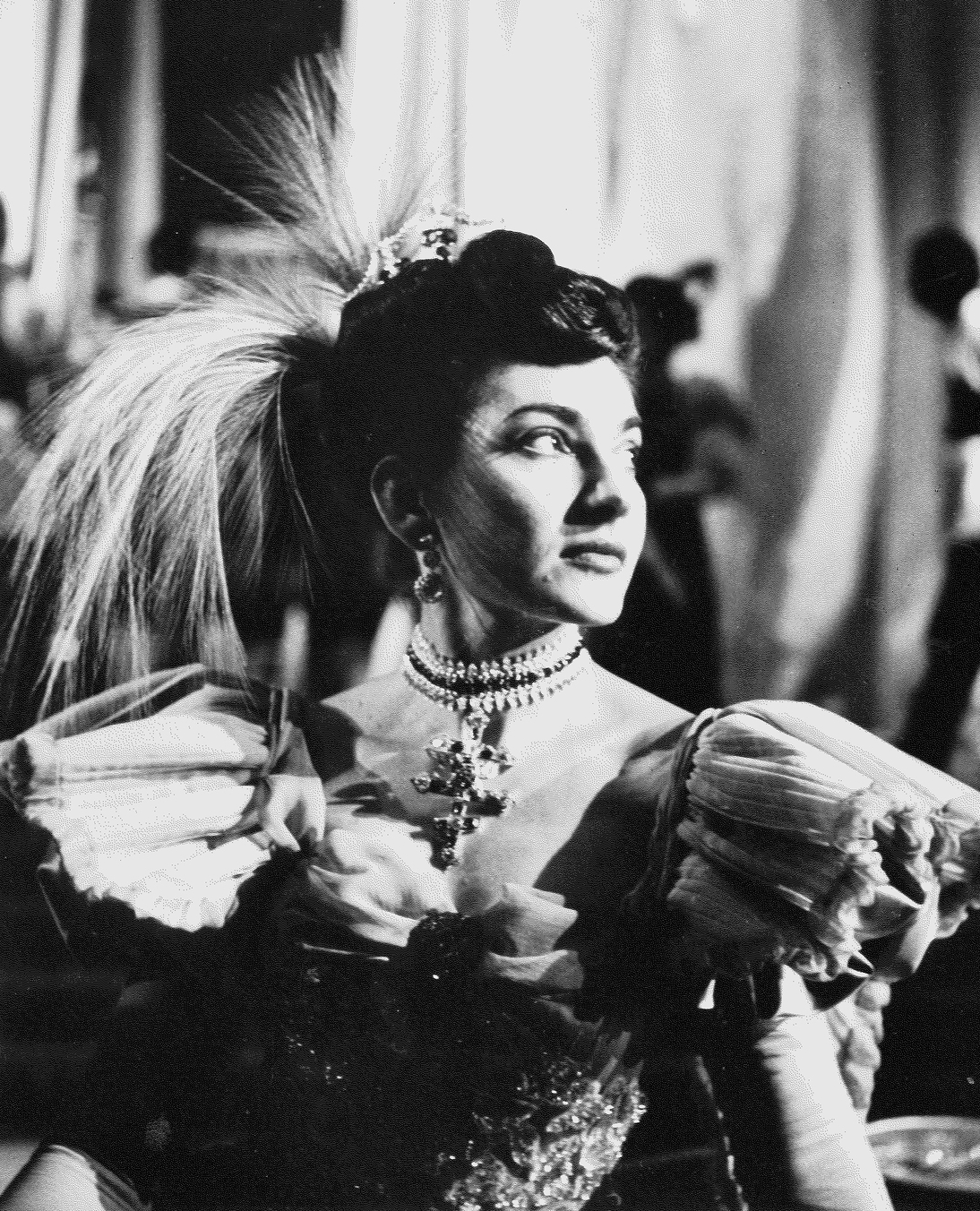
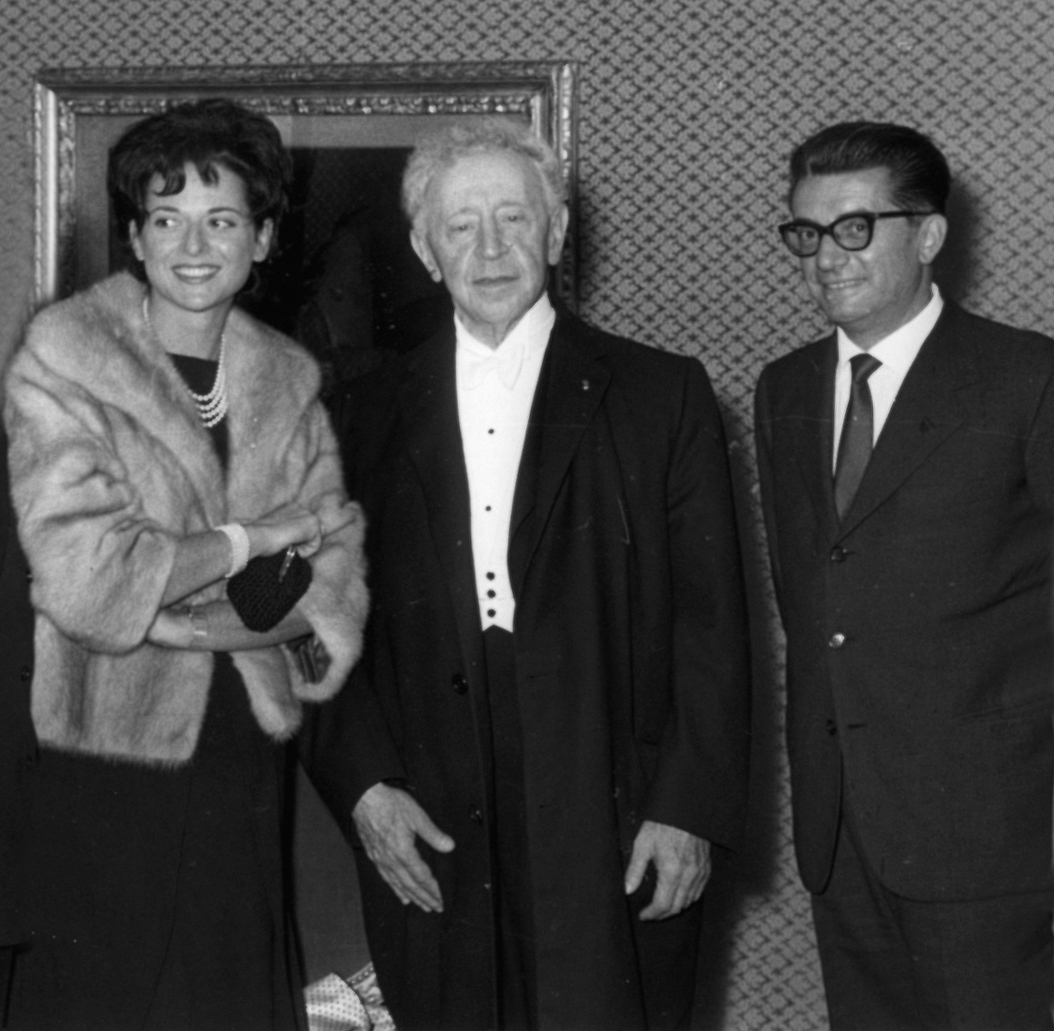
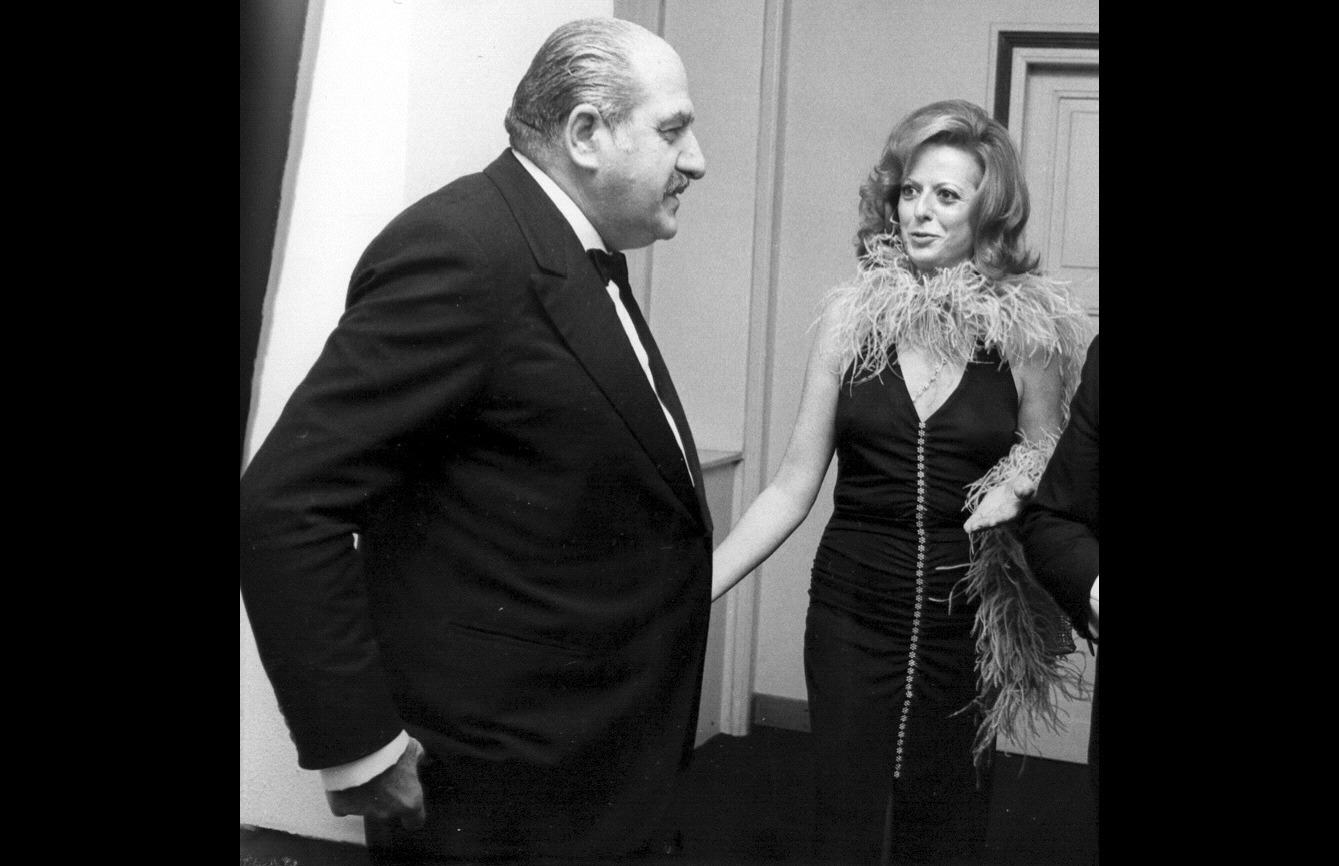
In August 1943, the historic headquarters in Via Pasquirolo was completely destroyed by a bombing raid. However, Piero managed to recover from this disaster with the help of his son Enzo Ostali (19131984), who, setting aside his degree in Engineering, joined his father in 1945 to lead the company. He chose to devote both his clear scientific rationality and his passion for music to the service of the Company, starting in 1952 from the new offices at Palazzo Ponti in Via Bigli. In the second half of the 1950s, after a few years of decline following the passing of the composers of the “Young Italian School,” a new generation of extraordinary singers (Maria Callas, Renata Tebaldi, Giuseppe Di Stefano, Mario Del Monaco, Franco Corelli, Leonard Warren) brought the operas of Verismo back to prominence worldwide.

Enzo Ostali

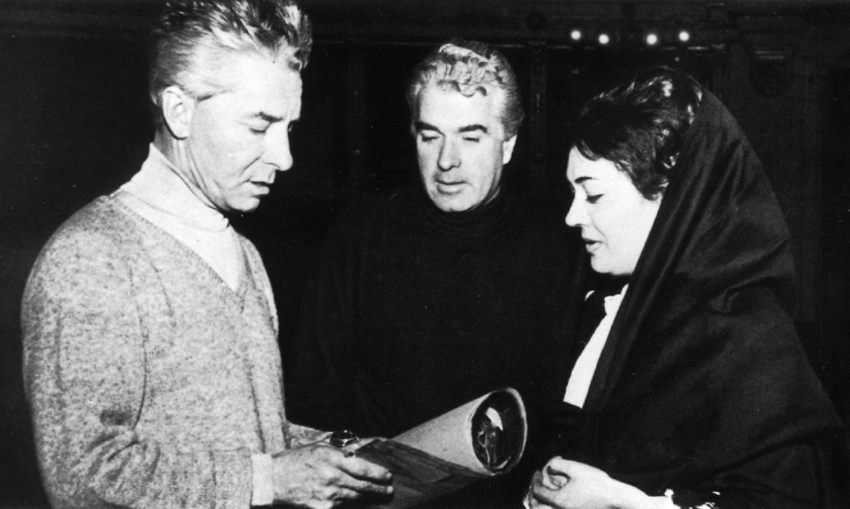
Starting in 1961, after becoming the sole administrator, Enzo Ostali looked to the future and created a new department dedicated to contemporary composers, among them Giulio Viozzi, Bruno Bettinelli, Roberto Hazon, Luciano Chailly, Jan Meyerowitz, Franco Mannino, Azio Corghi, Gino Negri, Armando Gentilucci, Ugalberto De Angelis, and Giorgio Ferrari. Among the librettists were Dino Buzzati, Langston Hughes, Emanuele Luzzati, Luigi Malerba, and Eriprando Visconti. He also inaugurated the publishing sector of the Company, releasing essential monographic volumes on Pietro Mascagni and Umberto Giordano, as well as many music education methods, several of which are still in use in conservatories today. In 1961, Enzo was among the founders of the festival Le Settimane Musicali di Stresa. The most significant production of those years was Cavalleria rusticana, conducted by Herbert Von Karajan at the Teatro alla Scala, with stage direction by Giorgio Strehler: a production whose sophistication marked a turning point in the history of verismo opera interpretation.

Nandi Ostali

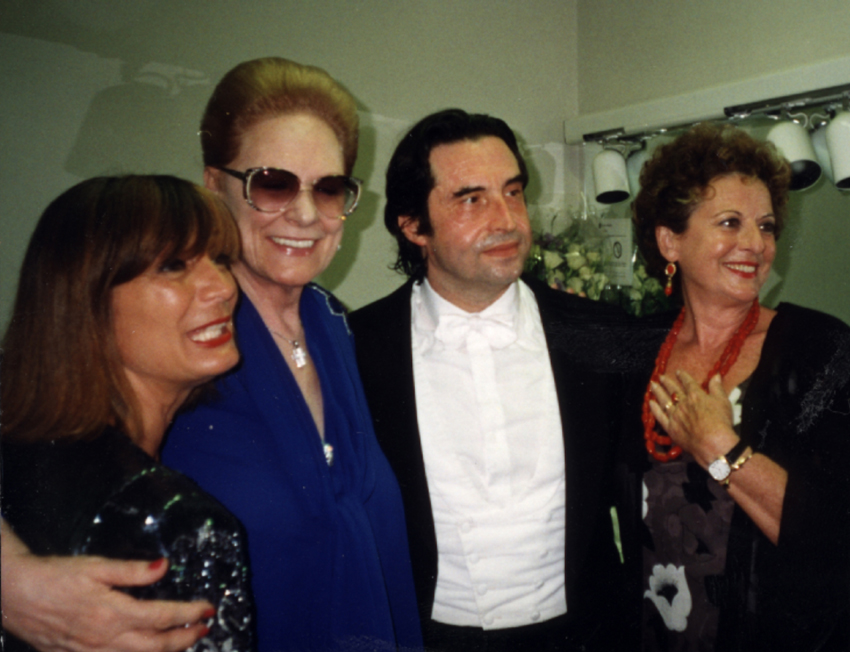
In 1984, his wife Nandi Ostali succeeded him at the head of the company, after having worked alongside him since 1971. After a couple of decades of ostracism from certain musicologists and many theater managers toward the works of Verismo, in the 1990s Nandi Ostali was among the main figures responsible for bringing back to the international stage the most important titles of the “Young Italian School,” as well as lesser-known works, especially by Umberto Giordano, such as Fedora, Madame Sans-Gêne, Siberia, La cena delle beffe, and Il re; as well as Sly by Ermanno Wolf-Ferrari and La rondine by Giacomo Puccini, absent from repertoires for many years. Among the leading interpreters of that period were conductors Gianandrea Gavazzeni, Riccardo Muti, Riccardo Chailly, and Bruno Bartoletti; singers Plácido Domingo, Mirella Freni, José Carreras, Raina Kabaivanska, Luciano Pavarotti, Renata Scotto, Piero Cappuccilli, Katia Ricciarelli, and Juan Pons; directors Franco Zeffirelli, Liliana Cavani, Beppe de Tomasi, Lamberto Puggelli, Mario Monicelli, and Mauro Bolognini. Nandi Ostali was also curator of books about the authors of the “Young Italian School” and exhibitions dedicated to the composers of the Company, including one at the Museo Teatrale alla Scala in Milan and another at the Teatro San Carlo in Naples. She also organized international conferences on Verismo, publishing the proceedings volumes. For many years, Nandi Ostali was Vice President with General Management responsibilities of the As.Li.Co. Singing Competition, which had been co-founded by her father-in-law. She was also a member of numerous juries for singing competitions, of the board of directors of the Dragoni Foundation, and Honorary President of the Friends of the Loggione of the Teatro alla Scala.

Piero Ostali Jr.

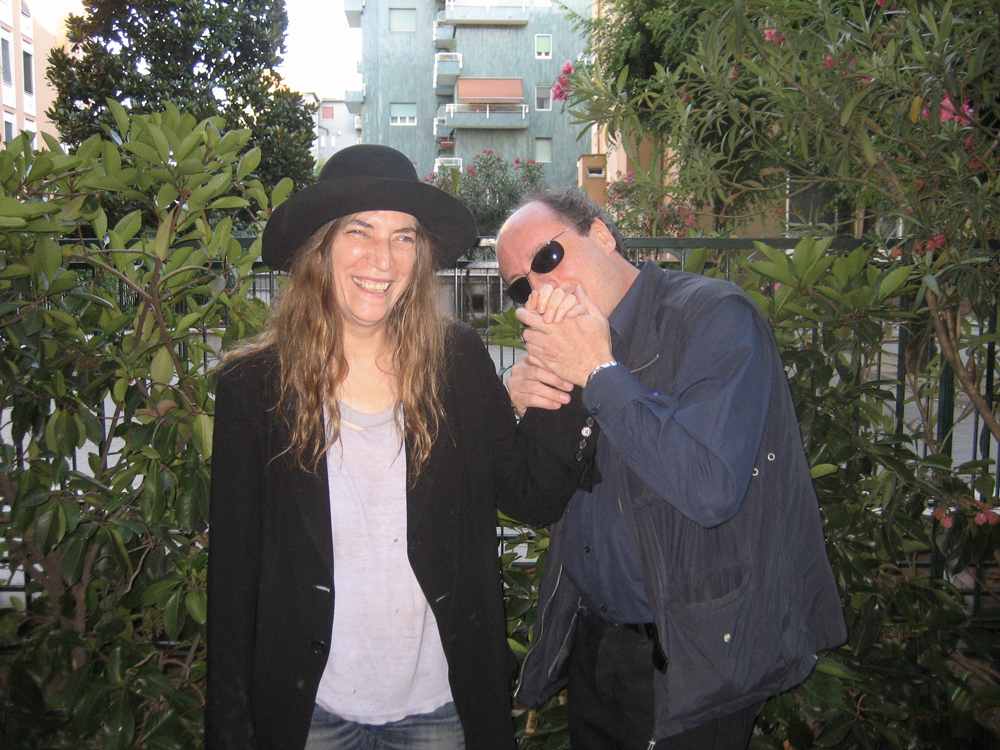
In 1989, Piero Ostali Jr., son of Enzo and Nandi, joined the company.
Attentive to new trends in music, theater, and dance, since the early 1990s he has published already established composers such as Flavio Testi, Patti Smith, Franco Battiato, Francesco d’Avalos, Eliodoro Sollima, Marco Tutino, Marco Frisina, Peppe Vessicchio, Carlo Galante, Carlo Pedini, and has discovered young and innovative talents such as Giovanni Sollima, Carlo Boccadoro, Marco Betta, and Cristian Carrara.
He has established collaborations with authors such as Robert Wilson, Peter Greenaway, Carlos Saura, Jean-Claude Carrière, Anatolij Vasil’ev, Carolyn Carlson, John Turturro, Alda Merini, Andrea Camilleri, Vincenzo Consolo, Letizia Battaglia, Stefano Benni, Alessandro Baricco, Marco Tullio Giordana, Mariangela Gualtieri, Patrizia Valduga, Michele Serra, Attilio Bolzoni, Roberto Alajmo, Stefano Bartezzaghi, and Tiziano Scarpa.

In 1996, he designed the company website, the first in Europe and the third worldwide for music publishing.

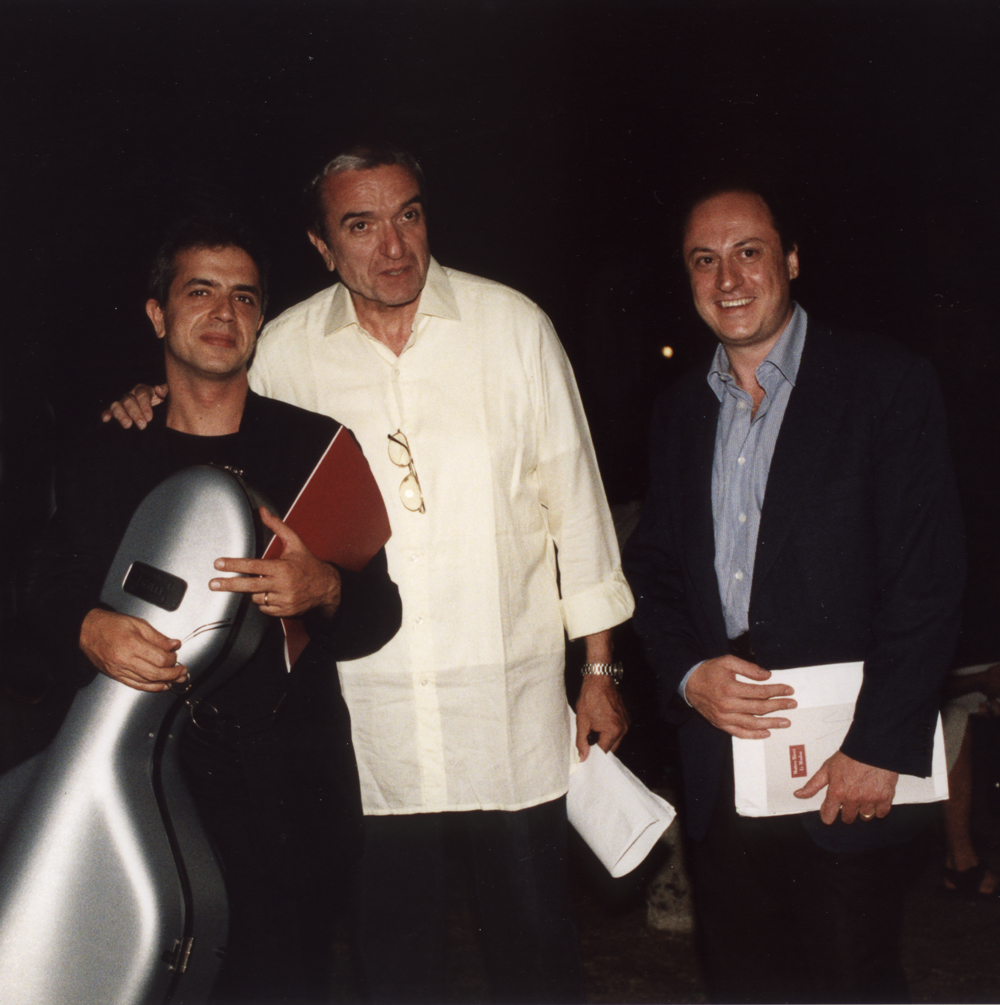
In 2000, he brought composer and cellist Giovanni Sollima to the Main Hall of Carnegie Hall, in the presence of the most prominent figures in American music. Sollima received three standing ovations, remaining to this day the only Italian musician to have held an entire concert of his own works in the prestigious American auditorium.

In 2001, he was among the founders of F.E.M. – Federazione Editori Musicali, of which he is a member of the Executive Board.
He was also, for many years, the Italian administrator of the rights of Philip Glass, Michael Nyman, and Andrew Lloyd Webber.

In 2007, he inaugurated the audiovisual division: the video Daydream by Lasse Gjertsen, with music by Giovanni Sollima, was presented at the Cannes Film Festival and the Turin Festival, and within weeks set a record in the non-pop/rock field, surpassing one and a half million views on YouTube.

In 2009, leaving his mother with the title of Senior President, Piero Ostali Jr. completely redesigned the company’s structure and profile to meet the challenges of modern times.

From 2012 to 2018, he was one of the key figures behind the traveling orchestra “100 Cellos,” which, during his presidency, “invaded” the cities of Rome, Milan, Budapest, Turin, Ravenna, Lucca, and Como.
In 2012, he produced the soundtrack by Paola Ghigo for the film by Rocco Mortelliti, La scomparsa di Patò, scripted by Andrea Camilleri and Maurizio Nichetti, and presented at the Rome Film Festival.
In 2015, he published the music by Lamberto Curtoni for Bersabea, the first immersive video in the field of international contemporary music, still available on smartphones via YouTube.
In 2021, under the aegis of the MuSe – Museo delle Scienze di Trento, he was among the producers of The N-Ice Cello, a docufilm by Corrado Bungaro in which an ice cello, played by Giovanni Sollima, takes audiences on a fascinating journey from the Alps to the Mediterranean, passing through Venice, Rome, and Palermo, highlighting the dangers of climate change.

Within the S.I.A.E. – Italian Society of Authors and Publishers, since 2002 he has continuously held important positions.
From 2013 to 2018, he was a member of the Supervisory Board, and from 2018 to 2022 he served as President of the Opera and Dance Commission, of which he remains a member.